
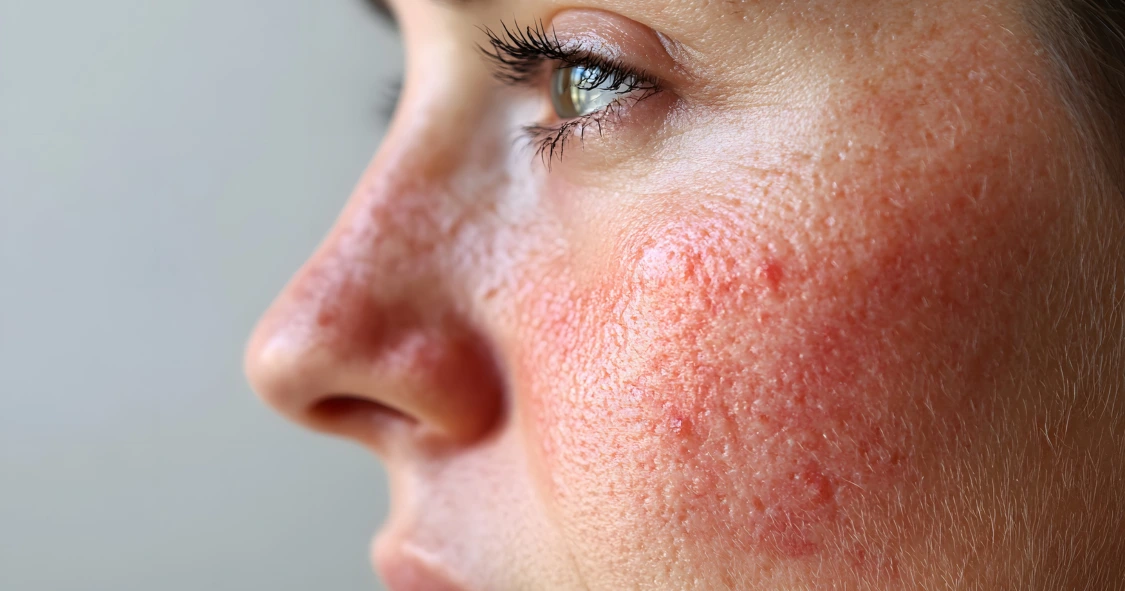

Inflamed skin can be due to several reasons. Skin conditions such as eczema, psoriasis, rosacea, and seborrheic dermatitis can cause redness, irritation, and discomfort, often affecting confidence as much as the skin itself.
The good news? With the right diagnosis, medical care, and skincare strategy, inflammation can indeed be controlled and skin health restored.
Disclaimer: This article is for educational purposes only and should not replace professional medical advice or treatment. Always consult a qualified healthcare provider before starting new therapies.
What Is Inflamed Skin?
Inflammation is your body’s immune response to injury or irritation. When triggered in the skin, immune cells release chemicals that cause redness, warmth, swelling, and itching.
In chronic inflammatory conditions, this response stays “switched on,” which then leads to ongoing irritation and flare-ups.
Common Inflammatory Skin Conditions
1. Eczema (Atopic Dermatitis)

Key Symptoms:
- Itchy, dry, and inflamed patches. Often on the hands, elbows, knees, or face
- Flaking, cracking, or oozing in severe cases
Common Triggers:
- Harsh soaps, detergents, or fragrances
- Cold or dry weather
- Stress or allergens (pollen, pet dander)
What Happens:
The skin barrier becomes compromised, therefore allowing moisture loss and inflammation.
Treatment Options:
- Medical:
- Topical prescription medications.
- Oral antihistamines for itching
- In-Clinic Treatments:
- LED light therapy (blue or red light) to reduce inflammation and bacterial load
- Laser Genesis treatment to reduce inflammation, redness and itching.
- OTC: Ceramide-rich emollients, barrier repair creams e.g. Revision Skincare CMT Post-Procedure Cream.
- Lifestyle: Avoid hot showers, moisturise twice daily, and use fragrance-free detergents
2. Psoriasis

Key Symptoms:
- Red, raised plaques with thick silvery scales
- Common on scalp, elbows, knees, and lower back
- Itching or discomfort
Triggers:
- Stress, illness, and skin injury
- Certain medications (beta blockers, lithium)
- Cold weather or dry air
What Happens:
An overactive immune system speeds up skin cell turnover, which then creates thickened plaques.
Treatment Options:
- Medical:
- Topical prescription medications.
- Phototherapy (narrowband UVB)
- In-Clinic Treatments:
- Excimer laser therapy (targeted UV light for resistant plaques)
- LED phototherapy to calm inflammation and scaling
- Lifestyle: Moisturise frequently, manage stress, and avoid alcohol or smoking
3. Rosacea

Key Symptoms:
- Persistent facial redness and visible blood vessels.
- Flushing or blushing easily
- Acne-like bumps (without blackheads)
- Burning or sensitivity
Triggers:
- Hot drinks, alcohol, spicy foods
- Heat or sunlight exposure
- Stress or exercise
What Happens:
Rosacea involves blood vessel dilation, inflammation, and sometimes an overgrowth of skin microbes (Demodex mites).
Treatment Options:
- Medical:
- Topical prescription medications.
- Oral antibiotics for inflammatory lesions
- Beta-blockers for persistent flushing (in select cases)
- In-Clinic Treatments:
- Laser Genesis: A non-invasive Nd:YAG laser that gently heats the dermis, reduces redness, strengthens capillaries, while promoting collagen renewal, ideal for rosacea-prone skin.
- Intense Pulsed Light (IPL): Targets visible vessels and redness.
- Botox (Micro-Botox or “Flushing Botox”): Small micro-injections can reduce facial flushing and redness by calming vascular overactivity.
- Skincare: Use gentle, barrier-strengthening products (with ingredients niacinamide, ceramides).
- Lifestyle: Avoid triggers, always use SPF 30+, and manage stress levels.
4. Seborrheic Dermatitis

Key Symptoms:
- Flaky, greasy scales and redness around the scalp, nose, eyebrows, or ears
- Can appear as stubborn dandruff or “cradle cap” in infants
Triggers:
- Stress, hormonal changes, and cold weather
- Overgrowth of Malassezia yeast on the skin
What Happens:
Seborrheic dermatitis is a result from an inflammatory reaction to yeast on oily skin areas.
Treatment Options:
- Medical: Antifungal creams or shampoos.
- OTC: Zinc pyrithione or sulfur-based cleansers. Skin repair creams such as Revision Skincare CMT Post-Procedure Cream anti-inflammatory ingredients which can be seen in Hydrinity Hyacyn Active Purifying Mist
- In-Clinic Treatments:
- Laser Genesis or low-level laser therapy (LLLT) to reduce redness around facial areas.
- Sunekos Performa to reduce inflammation and support regeneration of skin cells.
- Lifestyle: Wash with a gentle medicated shampoo twice weekly and manage stress
Medical & Aesthetic Treatment Overview for Inflamed Skin
| Treatment Type | Examples | Conditions |
|---|---|---|
| Prescription medication | Topical Steroids, oral medications, POM | Eczema, dermatitis, psoriasis, rosacea |
| Laser & light therapies | Laser Genesis, IPL, LED, Phototherapy | Rosacea, psoriasis, eczema |
| Injectables | Botox (for rosacea flushing), Sunekos Performa | Rosacea, dermatitis, eczema |
| Antifungal & antibacterial agents | Ketoconazole, doxycycline | Seborrheic dermatitis, rosacea |
Skincare Tips for Sensitive or Inflamed Skin
Gentle Products to Support Healing Inflamed Skin
- Cleansers: Non-foaming, fragrance-free formulas (Obagi Nu-Derm Gentle Cleanser)
- Moisturisers: Containing skin calming ingredients such as ceramides, niacinamide (Revision Skincare DermProtect, Senté Dermal Repair, Obagi Rebalance)
- Sunscreen: Use mineral-based SPF 30+ with zinc oxide or titanium dioxide (e.g., Heliocare 360 Mineral Tolerance Fluid, Senté Even Tone Mineral Sunscreen)
Products to Avoid
- Harsh scrubs and exfoliating acids
- Alcohol-based toners
- Essential oils and fragrances
- Overuse of retinoids without supervision
Lifestyle & Self-Care Tips
- Maintain a consistent skincare routine
- Manage stress through relaxation or mindfulness
- Eat a balanced, anti-inflammatory diet (omega-3 fatty acids, colourful vegetables)
- Use lukewarm water when cleansing
- Get adequate sleep and hydration
Final Thoughts
Inflammatory skin conditions are complex, but with expert guidance and a combination of medical, in-clinic, and skincare approaches, it’s possible to calm inflammation, strengthen the skin barrier, and restore confidence.
So, if you’re struggling with redness, itching, or irritation, consult a qualified dermatologist or aesthetics practitioner. Together, you can design a plan that combines clinical science and gentle care to help your skin look and feel its best.