
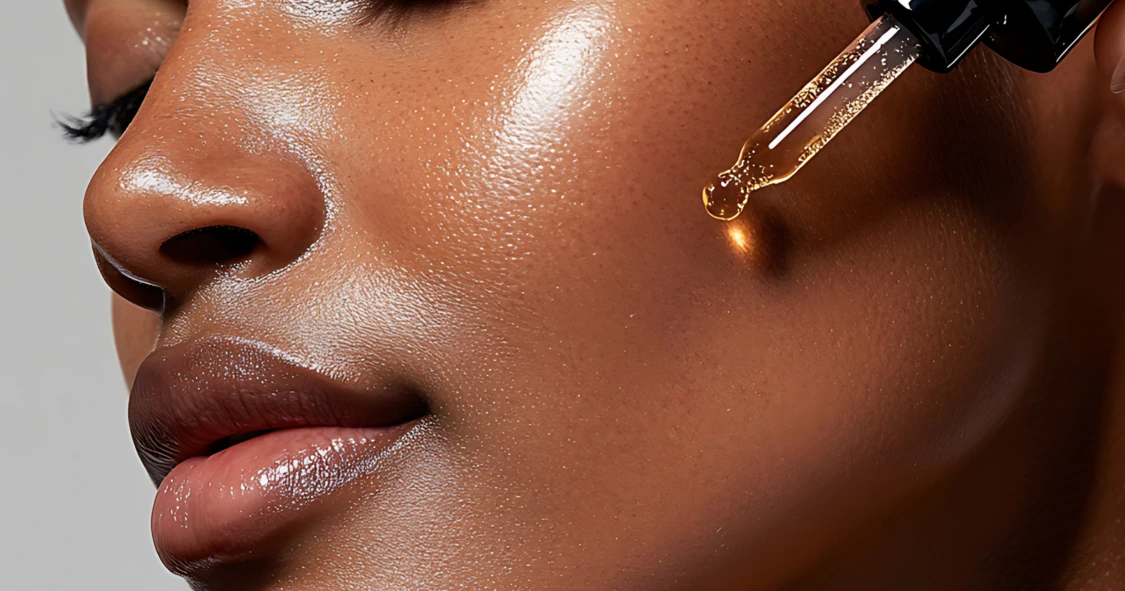

Vitamin C is one of the most important steps in your skincare routine. It’s effective in ways of brightening the skin and reducing signs of ageing, while also protecting the skin against environmental damage.
But not all Vitamin C products are created equal, and understanding the science behind this ingredient can help you choose the most effective option for your skin.
Firstly, What is Environmental Damage to the Skin?
Environmental damage can result in skin ageing, causing wrinkles, pigmentation, inflammation, dullness and overall damage to the skin barrier.
It is caused by many different environmental factors including;


Environmental damage may also lead to current skin conditions worsening, such as eczema and rosacea.
What’s the Science Behind Vitamin C?
Vitamin C (L-ascorbic acid), is a potent antioxidant which helps neutralise free radicals (unstable molecules produced by environmental stressors which accelerate skin ageing).
It supports collagen synthesis, strengthens the skin’s barrier, reduces hyperpigmentation, and improves overall skin texture and tone.
Topical L-Ascorbic Acid has also been shown to enhance photo-protection when used alongside SPF, helping to reduce the visible effects of sun damage over time.
Medical-Grade vs. Beauty Skincare
There are many different skincare brands offering antioxidant serums, but what makes them different? While many beauty brands highlight their high percentages, not all formulations are equally effective. Research shows that the form and stability of Vitamin C are actually more important than the percentage alone.
Medical skincare brands, such as SkinCeuticals C E Ferulic, use L-ascorbic acid, the most active form of Vitamin C. By using optimal pH levels, these products stabilise the Vitamin C and deliver maximum penetration into the skin.

In contrast, some beauty products may advertise high concentrations of Vitamin C but may use less potent forms or formulations that degrade quickly. This can result in:
- Reduced efficacy – less noticeable results on pigmentation, brightness, and fine lines
- Potential irritation – unstable formulations can oxidise, sometimes causing reactions
- Wasted investment – higher percentage does not always mean better results
When do I add Vitamin C in my skincare routine?
Apply in the morning after cleansing and layer with sunscreen to ensure maximum antioxidant protection all day.
Including Vitamin C into your skincare routine can be beneficial to almost all skin types. Most brands will explain how to do implement this on their product description. However, if you are a little stuck on which step to apply, the team at Neo-Derm can always assist.
So, Why is Vitamin C important?
Vitamin C is an essential step for anyone looking to maintain healthy, radiant skin.
Choosing a medical-grade, clinically proven formulation ensures you receive the maximum benefits safely and effectively, rather than relying solely on percentage claims. Investing in a stable, potent Vitamin C serum can deliver lasting improvements in skin tone, texture, and overall resilience.
Shop

SkinCeuticals C E Ferulic
Formulated with 15% pure L-ascorbic acid (Vitamin C), combined with Vitamin E and ferulic acid. It delivers advanced protection against environmental damage while supporting collagen production, improving skin tone, and reducing visible signs of ageing. As the antioxidant authority, SkinCeuticals is renowned for its rigorously tested and stable formulations.

Obagi Professional-C 20% Serum
High-potency, medical-grade Vitamin C serum. Designed to deliver advanced antioxidant protection and visible skin benefits. Formulated with 20% L-ascorbic acid, it helps neutralise free radicals, support collagen production, and improve the appearance of fine lines, uneven tone, and dullness. Obagi is recognised for its clinically proven, stable formulations that provide effective results.