

When it comes to anti-ageing skincare, Retinol and Vitamin C are two of the most effective and widely researched ingredients. Both can help improve the appearance of ageing skin, but they work in different ways. When comparing retinol vs vitamin C, you don’t necessarily need to choose between them.
In fact, using both can provide a more comprehensive approach to preventing premature skin ageing and improving existing concerns such as fine lines, wrinkles and uneven skin tone.
At Neo-Derm, we often recommend starting with vitamin C for its antioxidant benefits before gradually introducing retinol to support collagen production and skin renewal.
Retinol vs Vitamin C: What’s the Difference?
The main difference between retinol vs vitamin C is how they benefit your skin.
Vitamin C is a powerful antioxidant that helps protect against environmental damage caused by factors such as UV exposure and pollution. It also supports collagen synthesis, helping maintain skin firmness and brightness.
Retinol, a derivative of vitamin A, encourages skin renewal and supports collagen production, helping improve fine lines, wrinkles, pigmentation and uneven skin texture.
Put simply, vitamin C helps protect your skin, while retinol helps improve visible signs of ageing. Both ingredients can complement each other as part of a consistent anti-ageing skincare routine.
Why Start with Vitamin C for Ageing Skin?
If you’re new to active skincare ingredients, vitamin C is often a sensible starting point.
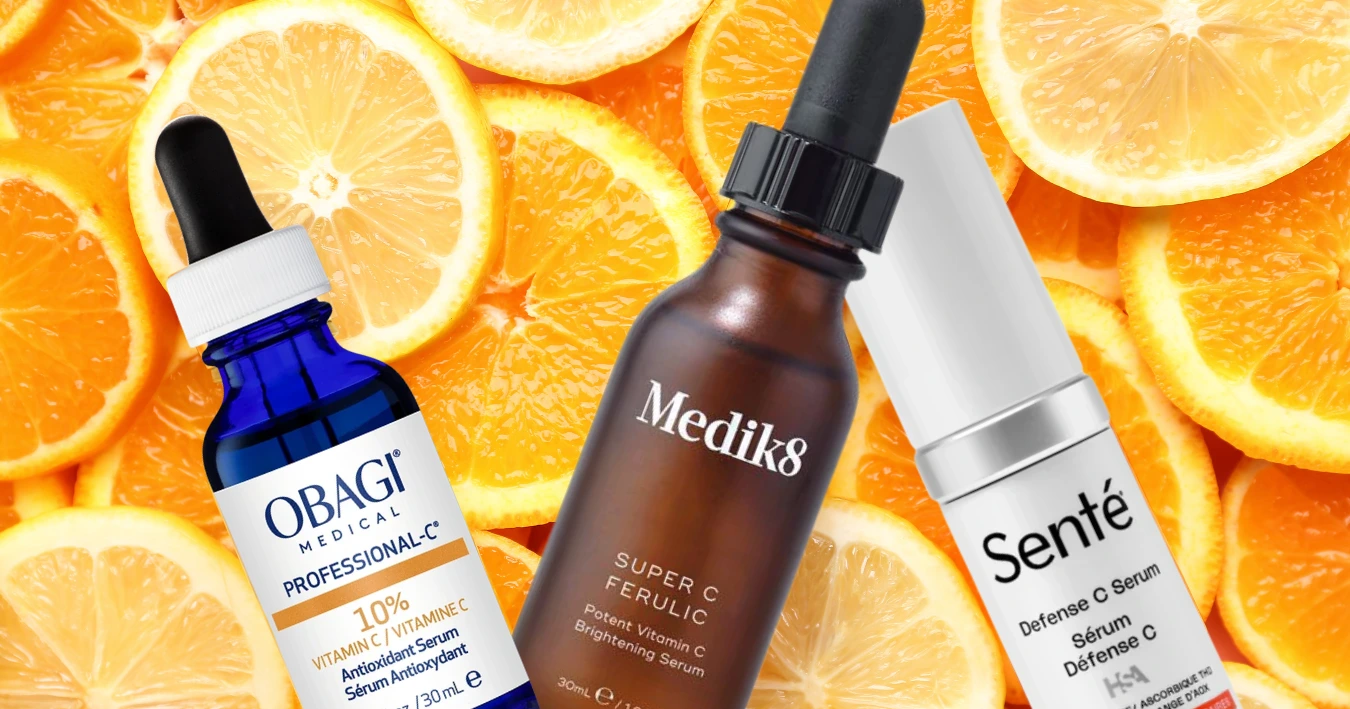
Throughout the day, our skin is exposed to environmental stressors that contribute to premature ageing. Vitamin C helps neutralise free radicals, providing additional antioxidant protection alongside your daily sunscreen.

Benefits of Vitamin C
- Antioxidant protection: Helps defend against environmental damage.
- Collagen support: Plays an essential role in collagen synthesis.
- Brighter complexion: Helps improve dullness and uneven skin tone.
- Pigmentation: Can reduce the appearance of dark spots over time.
Starting with vitamin C also allows you to establish a consistent skincare routine before introducing stronger active ingredients.
However, not all vitamin C products are suitable for every skin type. Higher concentrations of L-ascorbic acid can cause irritation, particularly in sensitive skin, so choosing an appropriate strength is important.


How Does Retinol Help with Wrinkles and Collagen?
When considering retinol vs vitamin C for wrinkles, retinol is particularly beneficial for improving existing signs of ageing.
As we age, natural collagen production and skin cell turnover gradually decline, contributing to fine lines, wrinkles and uneven texture.
Retinol helps stimulate collagen production and encourages skin renewal, improving the appearance of photoaged skin over time.

Benefits of Retinol
- Fine lines and wrinkles: Supports collagen production for smoother-looking skin.
- Skin renewal: Encourages cell turnover and improves texture.
- Pigmentation: Helps improve uneven skin tone and sun damage.
- Long-term results: Can gradually improve visible signs of ageing with consistent use.
Why Should You Start with a Low-Strength Retinol?
One of the most common mistakes is introducing a retinol that’s too strong, too quickly.
Retinol can initially cause dryness, redness, peeling and sensitivity. Starting with a lower strength allows your skin to gradually adjust.
We recommend beginning with approximately two evenings per week, increasing the frequency slowly if your skin tolerates it.


Retinol vs Vitamin C: Can You Use Both Together?
Yes! Vitamin C and retinol can work extremely well together when introduced correctly.
Rather than choosing between retinol vs vitamin C, incorporating both into your skincare routine allows you to benefit from their different properties.
For most people, the simplest approach is:
Morning Routine: Protect Your Skin
- Cleanser: Gently cleanse your skin. For example Revision Skincare Gentle Cleansing Lotion
- Vitamin C: Apply your chosen vitamin C serum for antioxidant protection.
- Moisturiser: Maintain hydration and support the skin barrier.
- SPF50: Protect against UV damage and premature ageing. The Heliocare range offers SPF’s suitable for all skin types and concerns.
Evening Routine: Renew Your Skin
- Cleanser: Remove makeup, sunscreen and impurities.
- Retinol or Retinal: Apply your chosen vitamin A product, starting with a low strength and frequency.
- Moisturiser: Help maintain hydration and reduce dryness.
You don’t need to introduce both ingredients immediately. Begin with vitamin C, moisturiser and daily SPF, then add retinol once your skin is comfortable with your routine.
Can Retinol and Vitamin C Cause Sensitivity?

Although both ingredients offer excellent anti-ageing benefits, sensitivity is an important consideration when comparing retinol vs vitamin C.
Stronger vitamin C formulations may cause tingling or irritation, while retinol can initially lead to dryness, redness or peeling.
To minimise sensitivity:
- Introduce one active ingredient at a time.
- Start with lower-strength formulations.
- Use retinol just twice weekly initially.
- Avoid combining retinol with multiple exfoliating acids.
- Use a gentle cleanser and moisturiser.
- Apply broad-spectrum SPF every morning.
If you experience persistent irritation, reduce or discontinue the product and seek professional advice.
Important: Retinol and retinal should be avoided during pregnancy, breastfeeding and when trying to conceive.
Frequently Asked Questions About Retinol vs Vitamin C
Is retinol or vitamin C better for wrinkles?
Retinoids generally have stronger clinical evidence for improving existing fine lines and wrinkles. However, vitamin C also supports collagen synthesis and provides valuable antioxidant protection. Using both can offer complementary benefits.
Should I use vitamin C or retinol first?
For skincare beginners, we often recommend introducing vitamin C first, followed by a low-strength retinol once your skin has adjusted. However, vitamin C isn’t a necessary prerequisite for retinol.
Can I use vitamin C every morning and retinol every night?
Many vitamin C serums are suitable for daily use. Retinol should be introduced gradually, starting with a few evenings per week before increasing frequency if tolerated.
How long does retinol and vitamin C take to work?
Vitamin C may improve skin brightness within several weeks, while visible improvements in wrinkles, texture and pigmentation from retinol can take approximately three to six months. Results vary depending on the formulation and individual skin response.
Retinol vs Vitamin C: The Neo-Derm Approach
Ultimately, the retinol vs vitamin C debate isn’t about choosing one ingredient over the other.
Vitamin C helps provide antioxidant protection and supports collagen synthesis, while retinol encourages skin renewal and helps improve existing signs of ageing.
Our recommendation is to begin with vitamin C, moisturiser and daily SPF50, before gradually introducing a suitable retinol or retinal product into your evening skincare routine.
Choosing appropriate strengths and introducing products slowly can help you achieve long-term improvements while minimising irritation.
Ready to upgrade your skincare routine?
For personalised advice, contact us here to discuss which skincare products may be most suitable for your skin.